Roof Leak Repairs
Roof Vent & Penetration Leak Repairs in Sydney
Every pipe, whirlybird and flue that pokes through your roof is a hole that has to be weatherproofed properly.
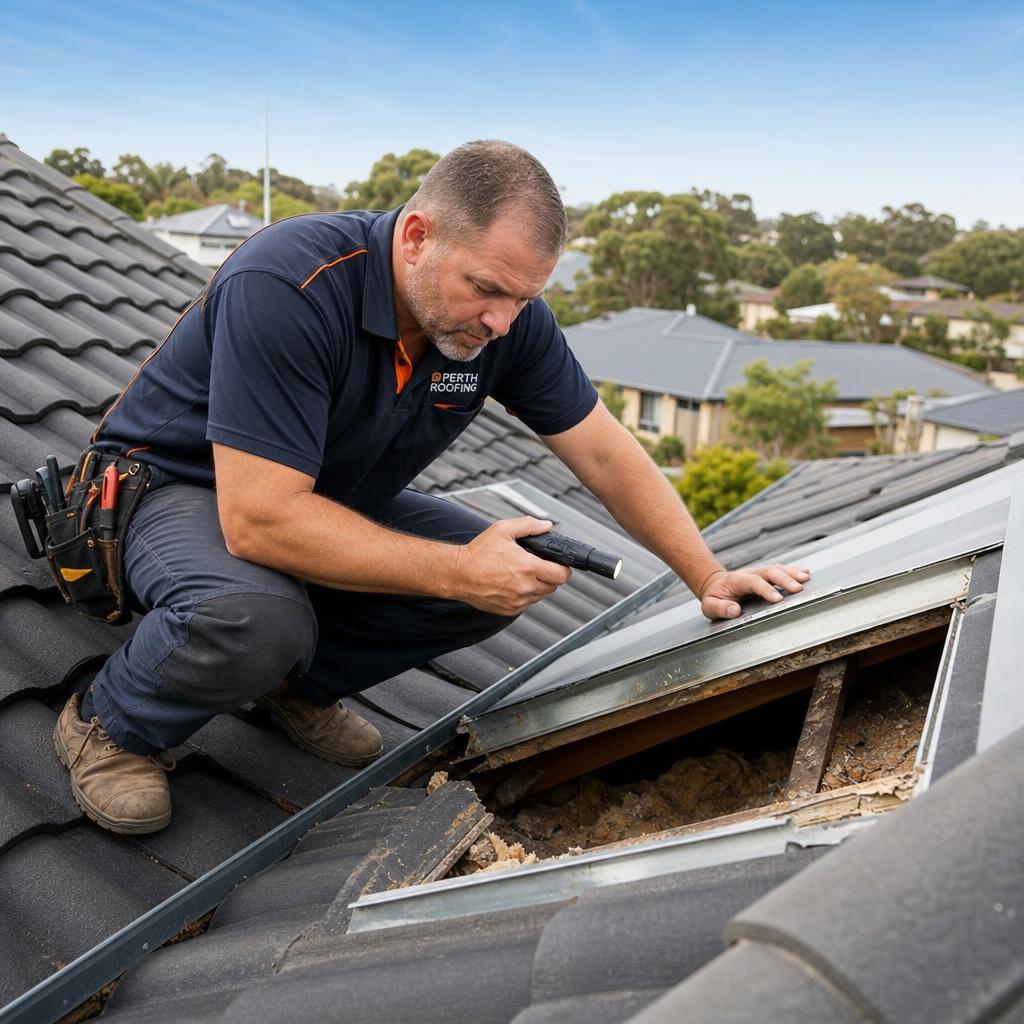
Anything that penetrates the roof -- whirlybirds, plumbing vent pipes, exhaust flues, gas flues, aerials and solar mounts -- is a deliberate hole that relies on a flashing or collar to keep water out. When that collar perishes, cracks or was never sealed right, the penetration leaks. These are among the most common and most over-siliconed leaks we see, and the lasting fix is a proper weathertight flashing, not another bead of sealant over the last one.
Why penetrations leak
Each penetration type fails in its own way. Whirlybirds (the spinning roof vents) leak at their base flashing when it lifts or corrodes, and sometimes at the bearing when the unit itself wears out. Plumbing vent pipes rely on a rubber collar -- a 'dektite' style boot -- that goes brittle and cracks under years of Sydney UV, opening a ring-shaped gap around the pipe. Hot flues expand and contract and work their seals loose. Solar and aerial mounts leak where brackets were fixed through the roof without adequate flashing.
The common thread is that these are moving, heating or ageing components on a fixed roof, so the seal around them is always the first thing to give.
Why silicone isn't a repair
The default 'fix' for a leaking penetration is a smear of silicone around its base, and it's why so many of these leaks come back. Silicone on a roof penetration is exposed to full sun and constant thermal movement; it hardens, cracks and lifts within a year or two, and once it fails water pools where the sealant trapped it. A vent pipe boot that's perished doesn't need overcoating -- it needs replacing with a fresh collar that grips and seals the pipe mechanically.
We strip back the failed sealant and assess whether the flashing or boot itself is the problem, because sealing over a cracked collar just hides the fault for one more summer.
How we reseal each penetration properly
For plumbing and gas vents we fit a new weatherproof collar sized to the pipe, dressed down over the roofing so water sheds over it. For whirlybirds we refit or replace the base flashing so it laps correctly with the surrounding tiles or sheeting, and replace the unit if the bearing has failed. Hot flues get high-temperature-rated flashings that can handle the expansion. Solar and aerial penetrations are re-flashed so the water path runs over the fixing, not into it.
Where a vent is redundant -- an old flue or a plumbing vent no longer in use -- the cleanest permanent fix is often to remove it and properly seal the hole with matching roofing, and we'll suggest that when it makes sense.
What's Included
- Replacement of perished rubber collars on plumbing and gas vents
- Refitting or replacement of whirlybird base flashings and worn units
- High-temperature flashings for hot flues and their movement
- Re-flashing of solar and aerial mount penetrations
- Removal of failed silicone and correction of the underlying flashing
- Removal and sealing of redundant penetrations with matching roofing
Frequently Asked Questions
Why does my roof leak around a vent pipe?
The rubber collar sealing the pipe to the roof goes brittle and cracks under Sydney UV, opening a ring-shaped gap around the pipe. It's one of the most common roof leaks. The fix is replacing the collar with a fresh one that grips and seals the pipe -- not siliconing over the cracked one.
Can you just silicone around my whirlybird?
That's a short-term patch that fails within a year or two under sun and thermal movement. Whirlybirds leak at the base flashing, so the proper fix is refitting or replacing that flashing so it laps correctly with the roofing. If the bearing has worn out, the unit itself needs replacing.
We have an old vent we don't use -- can it be removed?
Yes, and it's often the best fix. A redundant flue or vent is just a hole in your roof waiting to leak. We remove it and seal the opening with matching tiles or sheeting so there's no penetration left to fail. Cleaner and more permanent than resealing something you don't need.
Do hot flues need special flashing?
Yes. Flues from heaters and fireplaces expand and contract with heat, which works ordinary seals loose and can't use standard rubber collars near high temperatures. We fit high-temperature-rated flashings designed to handle that movement so the seal lasts instead of cracking after a few heating seasons.
Request a Free Inspection
Book a free, no-obligation inspection with our local crew.
Ready To Protect Your Home?
Book Your Free Roof Inspection Today.
Whether you need emergency roofing, leak detection, storm damage repairs or simply peace of mind, our experienced roofing specialists are ready to help. No pressure. No hidden costs. Just honest roofing advice.