Roof Leak Repairs
Roof Valley Leak Repairs in Sydney
Valleys carry more water than any other part of your roof -- so when they fail, they fail big.
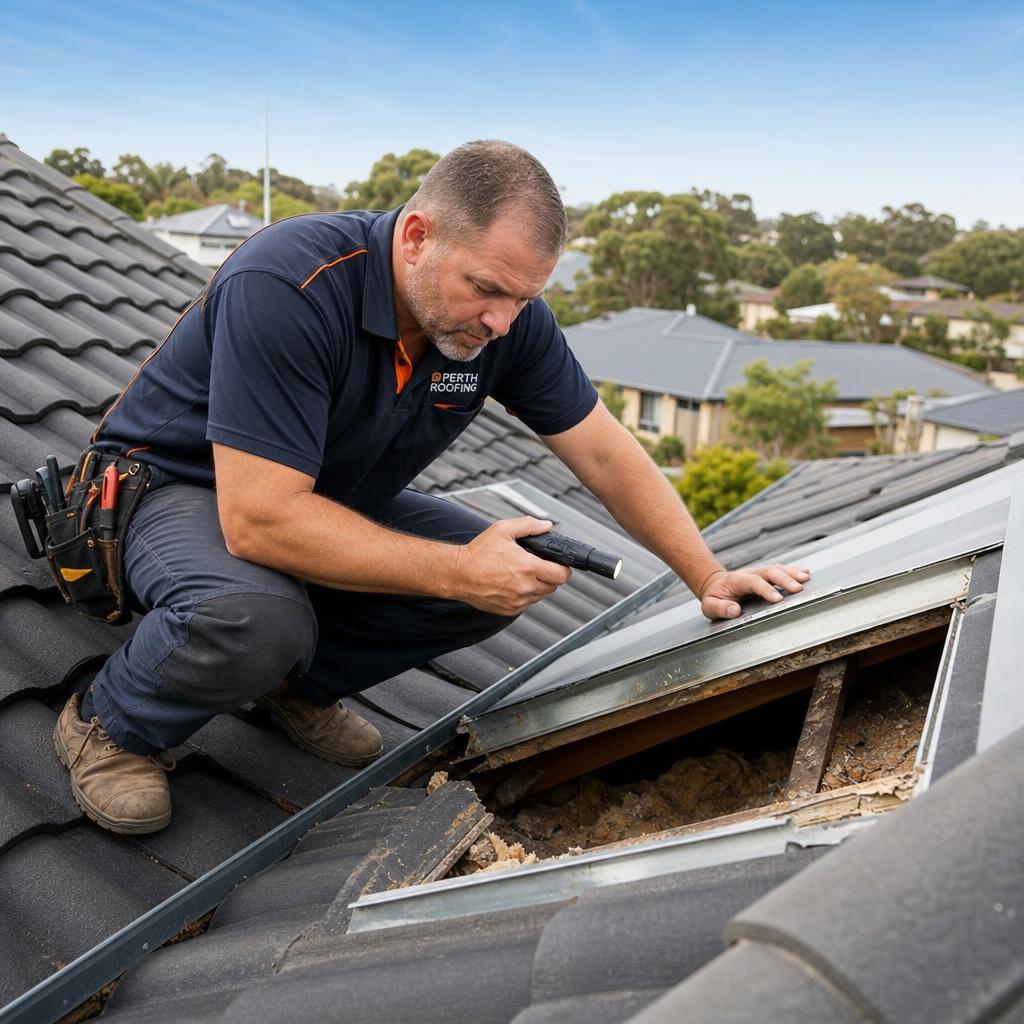
A valley is the channel where two roof planes meet and funnel their combined water down to the gutter. Because it handles more flow than anywhere else on the roof, a valley is often the first thing to leak and the leak is usually a serious one. The causes are specific: rusted-out valley irons, debris damming the flow, tiles laid too close over the valley, and pitch that's too flat to move the water. We fix the channel, not just the drip below it.
Common causes of valley leaks
The classic cause is a rusted valley iron. The metal pan sits under constant water and trapped debris, so it corrodes from the bottom up and eventually pinholes or splits, leaking straight into the roof space. On older Sydney tile roofs the original galvanised valleys are frequently at the end of their life.
Debris is the other big one. Leaves, moss and silt build up in the valley, dam the flow and force water sideways under the tiles or up over the valley edge in heavy rain. Tiles cut and laid too tightly over the valley narrow the channel and catch debris, making the problem worse. And where a valley's pitch is too shallow, water simply doesn't move fast enough and backs up.
Why valleys can't just be patched
Once a valley iron has rusted through in one spot, the surrounding metal is thin and pitted and will pinhole again close by within a season or two. Patching thin steel in the most water-loaded part of the roof is a false economy -- you pay twice and the ceiling gets wet in between. The honest answer for a corroded valley is usually replacement of the whole run, not a patch.
We also see valleys that have been 'fixed' by simply running sealant along the tile edges. That traps debris and water and speeds up the very corrosion causing the leak, so we clear it back and address the channel itself.
How we replace a valley
To replace a valley we lift the tiles or sheeting along both sides, remove the old failed iron, and install a new valley pan sized correctly for the flow it has to carry, with the tiles reset at the right distance from the centre so the channel stays clear and sheds debris. We ensure adequate fall so water moves quickly and doesn't pond, and we integrate it properly with the sarking and the gutter below.
On metal roofs the same principles apply -- correct pan width, proper laps and clean drainage into the gutter. Where debris was the whole problem and the valley is otherwise sound, clearing and correcting the tile spacing is enough, and we'll tell you when that's all it needs.
Related roofing guides
What's Included
- Inspection of valley irons for rust, pinholes and splits
- Clearing of leaves, moss and silt damming the valley
- Full valley pan replacement where the metal is corroded
- Correct valley width and tile spacing to keep the channel clear
- Adequate fall and integration with sarking and gutter
- Metal-roof valley repairs with proper pan width and laps
Frequently Asked Questions
Why do valleys leak more than other parts of the roof?
Because a valley funnels the combined water from two roof planes, it carries more flow than anywhere else on the roof. That constant water, plus trapped debris, rusts the valley iron and overwhelms narrow or blocked channels. So valleys tend to leak first, and the leaks are usually significant.
Can you patch my rusted valley instead of replacing it?
Rarely worth it. Once a valley iron rusts through, the surrounding metal is thin and will pinhole again nearby within a season or two. Patching the most water-loaded part of the roof is false economy. For a corroded valley, replacing the whole run is the honest, lasting fix.
Could blocked valleys be causing my leak?
Very possibly. Leaves, moss and silt dam the valley and force water sideways under the tiles or over the edge in heavy rain. If the iron is otherwise sound, clearing the debris and correcting tile spacing so the channel stays clear can solve it without a full replacement.
How long does a valley replacement take?
A single valley run is typically a one-day job, depending on length, access and whether tiles need matching. We lift the tiles or sheeting each side, fit a correctly sized new pan, reset the roofing and test it. We'll give you a clear timeframe after inspecting yours.
Request a Free Inspection
Book a free, no-obligation inspection with our local crew.
Ready To Protect Your Home?
Book Your Free Roof Inspection Today.
Whether you need emergency roofing, leak detection, storm damage repairs or simply peace of mind, our experienced roofing specialists are ready to help. No pressure. No hidden costs. Just honest roofing advice.