Roof Restoration
Roof Repointing in Sydney
Reseal cracked ridge caps with flexible pointing that moves with your roof.
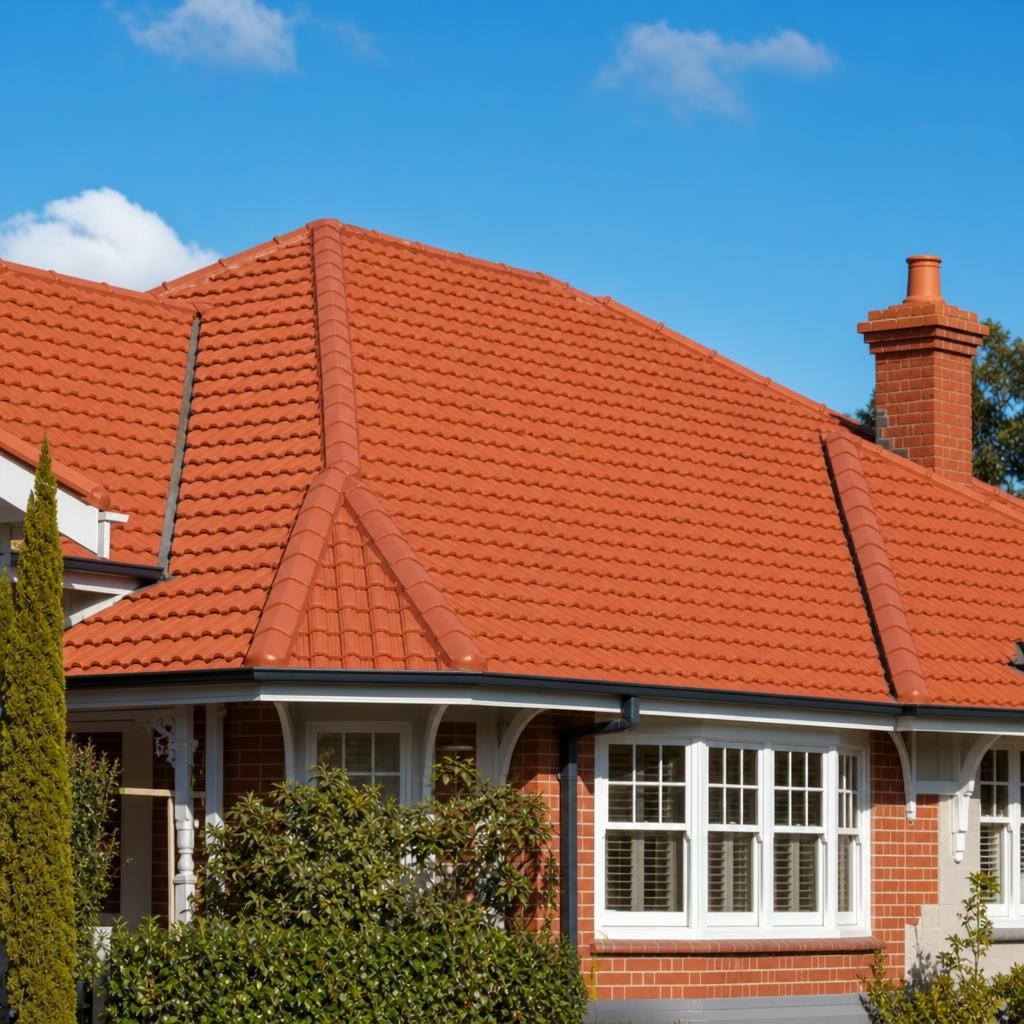
The mortar you see running along the ridges and hips of a tiled roof is the pointing, and it's a common failure point. On older roofs it was a rigid cement mortar that can't cope with the constant movement of the house and the daily expansion of the tiles, so it cracks, crumbles and drops out, letting water track under the capping. Repointing rakes out the old failed mortar and reseals the caps with a flexible pointing compound built to last.
Bedding versus pointing: know the difference
Ridge and hip caps sit on a bed of mortar (the bedding) and are sealed on top with a pointing layer. Repointing renews the top sealing layer. If the bedding underneath has also broken up and the caps are loose or rocking, pointing alone won't fix it, the caps need re-bedding first. We check for movement in every cap, because pointing over loose bedding just cracks again quickly.
Getting this call right is where experience matters. We'll tell you honestly whether your roof needs a straightforward repoint or a re-bed and re-point, rather than doing the cheap job and leaving you with the same leak.
Why flexible pointing beats old cement mortar
Traditional rigid cement pointing is strong but brittle, so as the house settles and the tiles heat and cool it cracks and lets go. Modern flexible pointing compounds are designed to bond to the tiles and caps while flexing with that movement, so they stay sealed for far longer. They also come in colours to blend with the roof rather than the grey cement look.
The signs you're due for repointing
Look for crumbling mortar and gaps along the ridges, chunks of grey mortar in your gutters, moss growing in the cracks, or capping that's visibly shifted. Inside, water stains near ridge lines after Sydney storms are a classic sign water is getting under the caps. Catching it early is cheaper than waiting for a leak to reach ceilings and insulation.
What's Included
- Inspection of every ridge and hip cap for cracking and movement
- Raking out and removing failed old cement pointing
- Re-bedding of loose or rocking caps where needed
- Flexible pointing compound applied along ridges, hips and gables
- Colour matched to blend with your roof tiles
- Removal of old mortar debris from valleys and gutters
Frequently Asked Questions
What's the difference between repointing and rebedding?
Pointing is the top sealing layer over the ridge caps; bedding is the mortar the caps sit on. Repointing renews the seal. If the bedding has failed and caps are loose, they need re-bedding first. Pointing over loose caps just cracks again, so we check for movement before quoting.
How do I know if my roof needs repointing?
Look for cracked or crumbling mortar along the ridges, lumps of grey mortar washing into your gutters, moss in the gaps, or capping that's shifted. Inside, water stains near ridge lines after storms are a giveaway. If you spot these, it's worth getting an inspection before it leaks.
Why is flexible pointing better than cement?
Old cement pointing is rigid, so it cracks as the house moves and tiles expand and contract with heat. Flexible pointing compound bonds firmly but flexes with that movement, so it stays sealed for years longer. It also comes in colours to match the roof rather than the grey cement look.
Can repointing be done on its own or is it part of a restoration?
It can absolutely be done on its own if the tiles and coating are otherwise fine and only the pointing has failed. It's also a standard step within a full restoration. If your only problem is cracked ridge mortar, a standalone repoint is the sensible, cost-effective fix.
Request a Free Inspection
Book a free, no-obligation inspection with our local crew.
Ready To Protect Your Home?
Book Your Free Roof Inspection Today.
Whether you need emergency roofing, leak detection, storm damage repairs or simply peace of mind, our experienced roofing specialists are ready to help. No pressure. No hidden costs. Just honest roofing advice.