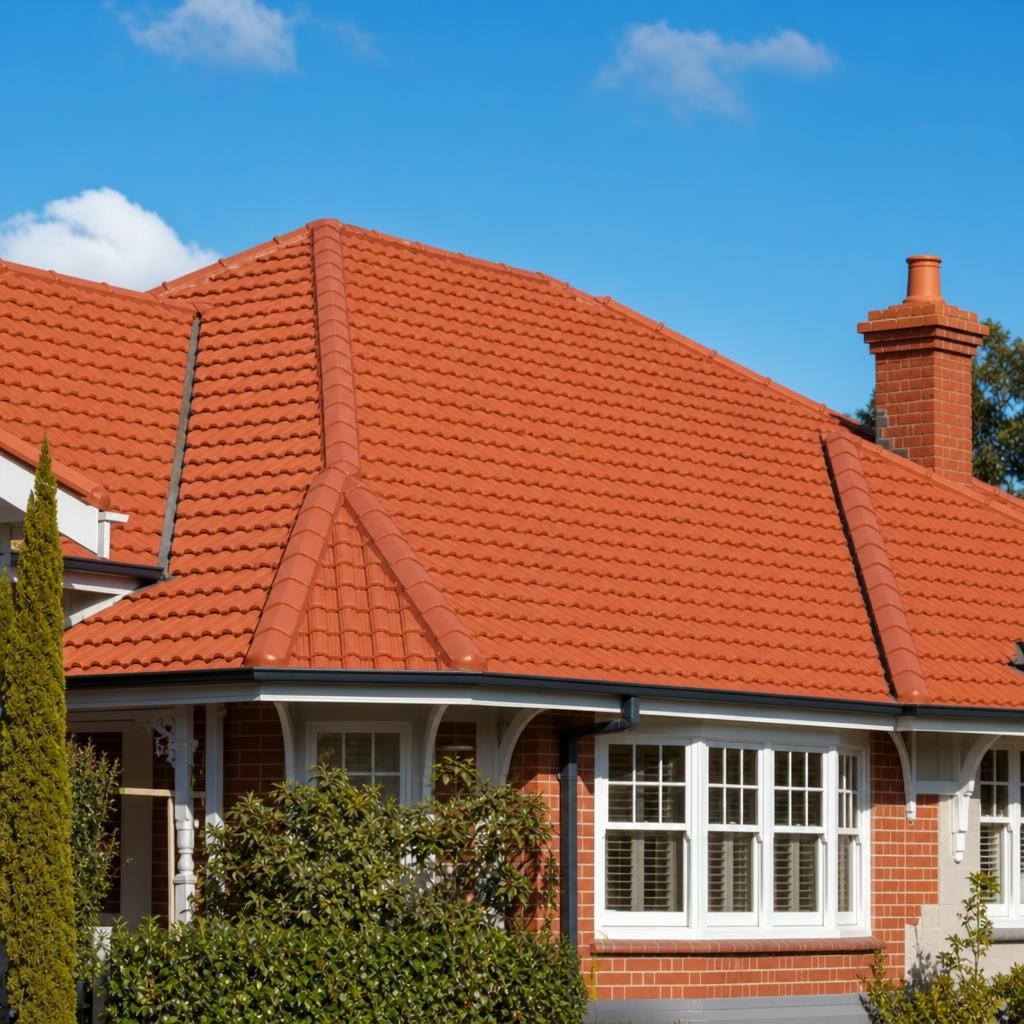
Choosing a roof coating by colour alone misses the main decision: can the proposed system bond to this particular roof and remain suitable in service? Concrete tile, previously coated metal and heritage terracotta do not share one preparation method. A coating proposal should begin with the substrate and its condition, not a promise that any tired roof can be painted.
Identify what the new system will bond to
The roofer needs to identify the covering material, existing finish, loose layers and signs of retained moisture or corrosion. Previous coatings can be difficult to identify. Where compatibility is uncertain, further product advice or an adhesion assessment may be needed before specifying the new system.
A roof that is widely cracked, structurally unsound or perforated by corrosion is not repaired merely by adding a surface layer. Coatings may form part of an appropriate protection system, but they should not substitute for replacing failed sheets, fixing flashings or stabilising loose capping.
The roof protective coatings service matches preparation, primer and topcoats to the roof rather than treating a decorative finish as a universal repair.
Preparation is more than making it look clean
Contamination, loose finish and biological growth can interfere with adhesion. Cleaning must suit the material and manage runoff, adjacent property and water entry. Aggressive pressure is not appropriate for every surface. Suspected asbestos-containing roofing must not be pressure-cleaned or disturbed; arrange specialist assessment before preparation is planned.
Metal corrosion needs assessment to determine whether the underlying sheet remains serviceable. On tiles, broken units and defective bedding or pointing need attention. Heritage terracotta may be better maintained without a new coating, and heritage controls may restrict appearance changes. Ask for a reasoned recommendation rather than accepting coating as the default.
Read the product system, not just the brand name
- Identify the exact substrate and any existing coating being retained.
- Request the specified primer or sealer and compatible topcoats.
- Confirm application requirements, coverage and film-build checks.
- Ask about surface dryness, curing conditions and weather delays.
- Keep written product and workmanship terms, including maintenance conditions.
Heat-reflective claims need context
Some coating systems reflect more solar radiation than others. The effect on indoor comfort depends on the roof colour, insulation, ventilation and building design. Do not treat a lower surface temperature as a guaranteed reduction in electricity bills. Compare product information for the actual colour and system proposed, not an unrelated demonstration.
The application plan should also protect gutters, water tanks, solar equipment, neighbouring surfaces and landscaping as relevant. Ask how rainwater collection will be managed during cleaning and coating and when it may resume under the product instructions. This is a job-specific decision, not a generic waiting period.
Handover and future care
Keep product names, colour, application dates, preparation records and photographs. Ask what cleaning and inspection the manufacturer recommends and how to report lifting or blistering. A coating does not remove the need to maintain valleys, flashings and drainage. Future roof work should use compatible materials rather than adding an unknown patch over the new finish.
Specify the right system for your roof
Start with a condition and compatibility assessment before committing to colour or coating claims.
Discuss roof protective coatings