Roof Repairs
Roof Batten Repairs & Re-Battening
Battens carry every tile on your roof — when they rot or split, the whole roofline starts to move.
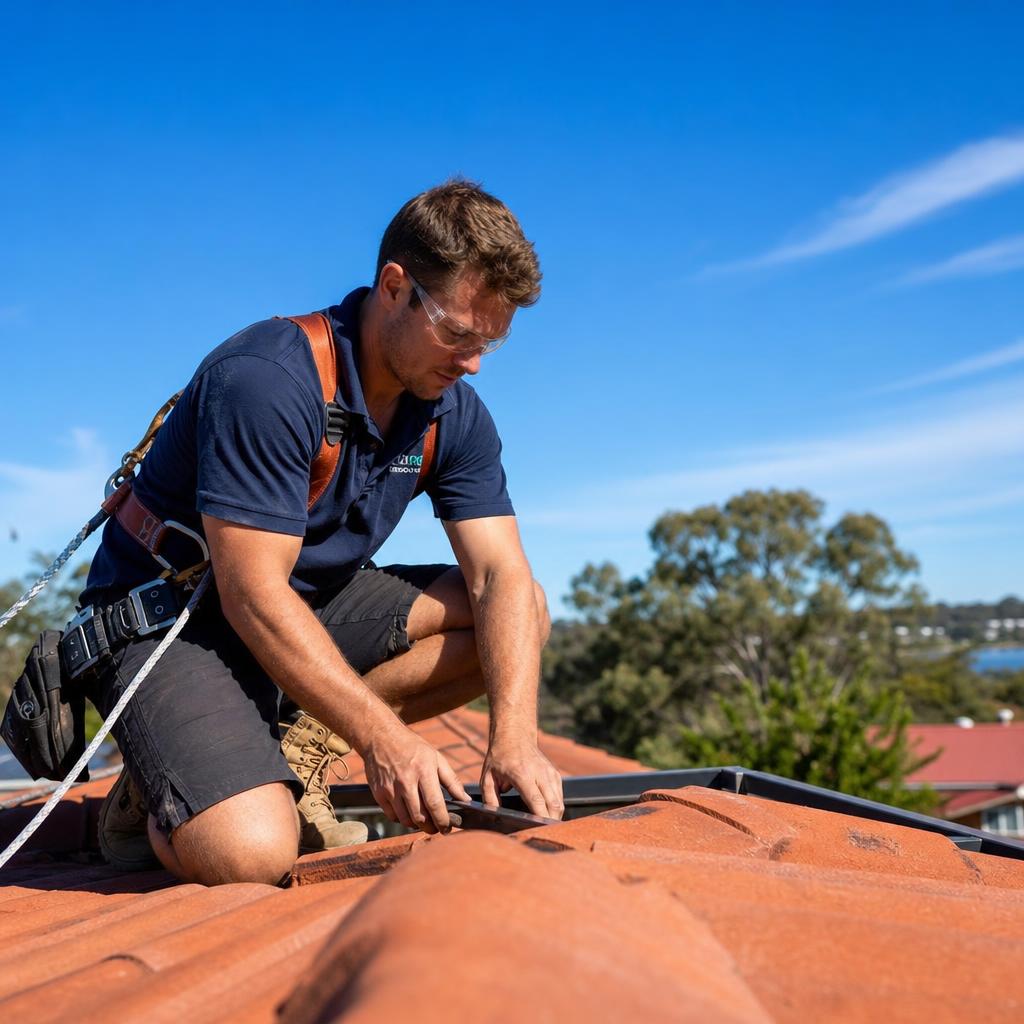
Battens are the horizontal timbers or steel sections fixed across the rafters that every tile or sheet hangs from. They are hidden, so they get ignored until tiles start slipping, ridge lines dip, or a repairer's foot goes through one. In Sydney's climate, timber battens near leaking valleys or perished sarking can quietly rot for years, and undersized or over-spaced battens sag under the weight of the roof. Fixing the covering is pointless if the batten under it has failed.
How battens fail and why it shows up in your tiles
Timber battens fail from moisture and from age. Where a valley has leaked, a flashing has let go, or old sarking has perished, water reaches the battens repeatedly and rot sets in — usually right where the fixings are, so tiles lose their grip and begin to slide. Borers and old, dried-out hardwood that splits along the nail line do the same thing.
The visible symptoms are a wavy or sagging roofline, tiles that won't sit flat no matter how often they're re-laid, ridge capping that keeps cracking because the substrate beneath it is moving, and gaps opening at the tile heads. When a roof looks 'tired' and uneven, the battens are very often the real story.
Timber versus steel battens
We repair with treated timber battens sized and spaced to suit your tile gauge, or we upgrade to steel top-hat battens where the situation calls for it. Steel battens don't rot, warp or feed borers, hold a truer line, and carry load well — which is why we often recommend them when re-battening a large area or a roof that has already sagged.
The right choice depends on your existing structure, the tile weight, and whether we're patching a section or re-battening a whole plane. Concrete tiles are heavier than terracotta and demand battens that won't deflect. We set the gauge to the manufacturer's cover so the tiles lock down correctly rather than being forced to fit.
What re-battening involves
Re-battening means carefully lifting and stacking the tiles, removing the failed battens, checking and repairing the sarking and rafters underneath, then fixing new battens at the correct gauge and re-laying the tiles. It's the moment to sort out sarking and any rafter damage while the roof is open, because everything is accessible.
For a localised repair we replace only the affected battens and blend the tiling back in. For a roof that's sagging across a whole face, partial fixes are false economy — we'll be straight with you about which one your roof needs and won't re-batten more than the roof actually requires.
What's Included
- Inspection of battens for rot, splitting and sagging
- Lifting and stacking of tiles to access the battens
- Replacement with treated timber or steel top-hat battens
- Setting batten gauge to suit tile type and cover
- Checking and repairing sarking and rafters while open
- Re-laying tiles and re-bedding ridge capping as needed
Frequently Asked Questions
Why do my tiles keep slipping even after being re-laid?
Usually because the batten they hook over has rotted or split at the fixing line, so the tiles have nothing to grip. Re-laying tiles onto a failed batten is a short-term fix. We check the battens underneath and replace the failed ones so the tiles actually lock in place.
Should I use steel or timber battens?
Steel top-hat battens don't rot, warp or attract borers and hold a truer line, so we often recommend them for larger re-battens or a roof that has already sagged. Treated timber is fine for smaller repairs. We'll match the choice to your tile weight and existing structure.
My roofline is sagging — is it always the battens?
Not always, but battens are a common cause. A sag can also come from overloaded or undersized rafters, or a structural issue in the frame. We inspect the whole assembly so we don't replace battens when the real problem is deeper, and tell you exactly what we find.
Can you replace just some battens?
Yes, if the failure is localised we replace only the affected battens and blend the tiling back in. If a whole roof face has sagged, patching is false economy — we'll recommend re-battening that plane. Either way we won't do more work than your roof actually needs.
Request a Free Inspection
Book a free, no-obligation inspection with our local crew.
Ready To Protect Your Home?
Book Your Free Roof Inspection Today.
Whether you need emergency roofing, leak detection, storm damage repairs or simply peace of mind, our experienced roofing specialists are ready to help. No pressure. No hidden costs. Just honest roofing advice.