Storm Damage
Storm-Damaged Roof Flashing Repairs in Sydney
Flashings are the small metal details that keep water out -- and the first thing wind rips loose.
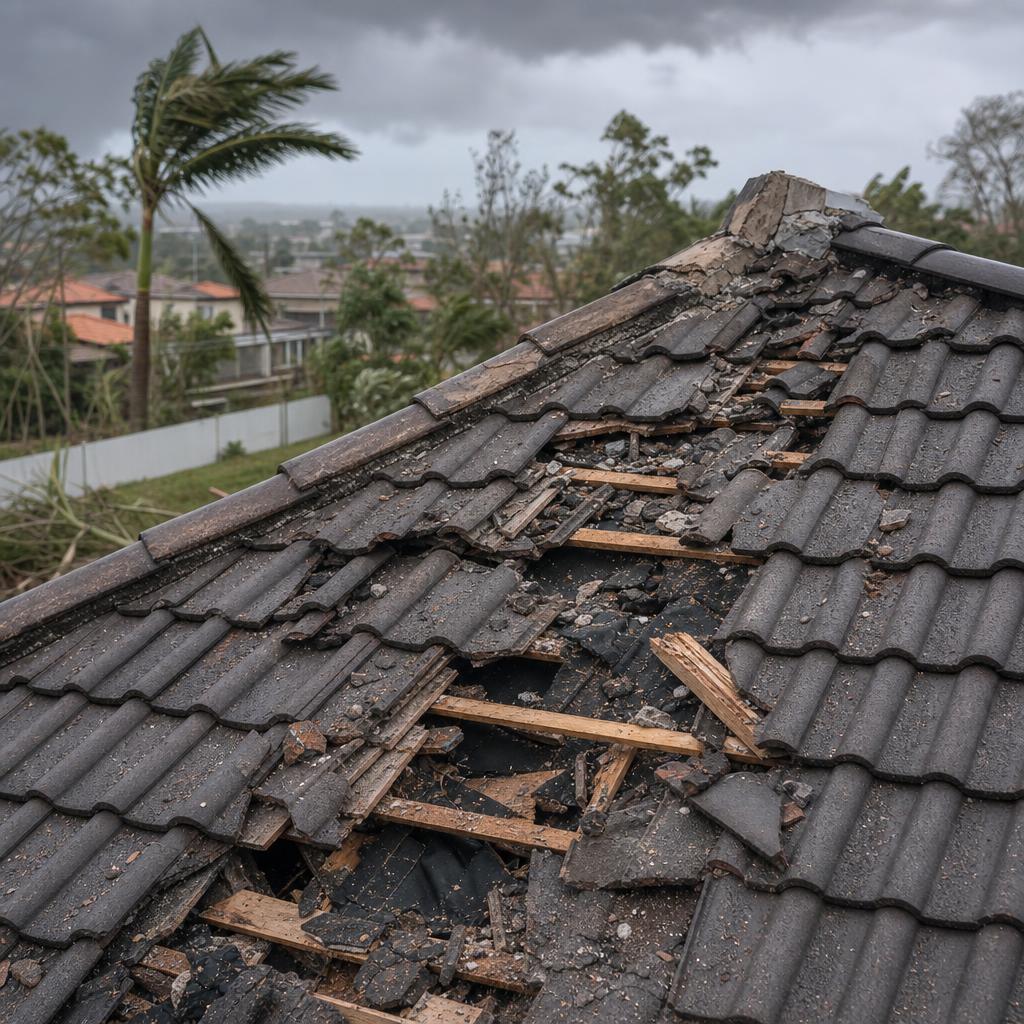
Flashings are the strips of metal that seal the joins where a roof meets something else: a wall, a chimney, a skylight, a valley, or the ridge. They are also the parts most likely to fail in a storm, because wind gets under a loose edge and peels them back, and driving rain finds any gap. Most storm leaks we chase are not through the tiles or sheets at all -- they are around a lifted or split flashing. We track the leak to its source, then refit or replace the flashing so the join is properly watertight again.
Where storm flashing failures happen
Valley flashings, the metal channels where two roof planes meet, cop concentrated water flow and are prone to debris damming and corrosion; a storm that dumps leaves and hail into a valley can cause an overflow that pushes water under the tiles. Wall and apron flashings where a roof abuts a rendered or brick wall lift when wind gets under them and let water run down the wall inside. Chimney and skylight flashings rely on sealant and step details that crack and pull away over time, and a strong gust finishes the job.
Because these all leak in different ways, we identify which flashing has failed before we touch anything, often with a hose test to confirm the entry point.
How we make flashings watertight again
The fix depends on the flashing. A lifted apron flashing we re-secure and, where appropriate, chase back into the wall or mortar joint so wind cannot get under it again, rather than just gluing it down. Split or corroded valley flashings we replace with new material laid to the correct fall with adequate overlap under the roofing. Around chimneys and penetrations we rebuild the step and counter-flashing and reseal with a proper grade of sealant, not a quick smear. Getting the overlaps and fixings right is the difference between a repair that lasts and one that fails in the next big blow.
Why a poor flashing repair keeps leaking
Flashing leaks are the most commonly botched roof repairs because they look simple. Sealant over the top of a lifted flashing hides the problem for a season, then the sun cracks it and the leak returns, usually staining a ceiling well away from the actual entry point. We do the less glamorous work of fixing the metal detail itself so water is directed out and over the roofing surface the way it is meant to be, which is what actually stops the leak for good.
What's Included
- Leak tracing to identify the failed flashing, including hose testing
- Re-securing and chasing in lifted wall and apron flashings
- Replacing split or corroded valley flashings to correct fall
- Rebuilding chimney, skylight and penetration flashings
- Resealing joints with appropriate roofing-grade sealant
- Checking surrounding tiles or sheets disturbed by the flashing work
Frequently Asked Questions
How do I know if my leak is a flashing problem?
Flashing leaks often show up as a stain near a wall, chimney, skylight or where two roof sections meet, and they tend to appear only in wind-driven rain. Water can travel along timber before it drips, so the stain may not be under the fault. We trace it to the actual entry point rather than guessing.
Can't you just seal over the flashing?
We could, but it rarely lasts. Sealant smeared over a lifted flashing cracks in Sydney sun within a season and the leak comes back. The durable fix is to re-secure or replace the flashing metal so it sheds water correctly. We would rather do it once properly than have you call us back every storm.
Why does my valley keep leaking after storms?
Valleys carry a lot of water and clog easily with leaves and hail, so debris dams and pushes water sideways under the tiles. The flashing may also be corroded or laid with too little fall or overlap. We clear it, check the flashing condition, and replace it if the metal has had it rather than just cleaning around a failed one.
Is flashing damage worth an insurance claim?
If wind has lifted or torn flashings in a storm, that is typically claimable, and the resulting internal water damage often is too. Gradual corrosion of old flashings is usually treated as wear and tear. We document the cause honestly so your claim reflects what actually happened rather than overreaching.
Request a Free Inspection
Book a free, no-obligation inspection with our local crew.
Ready To Protect Your Home?
Book Your Free Roof Inspection Today.
Whether you need emergency roofing, leak detection, storm damage repairs or simply peace of mind, our experienced roofing specialists are ready to help. No pressure. No hidden costs. Just honest roofing advice.